

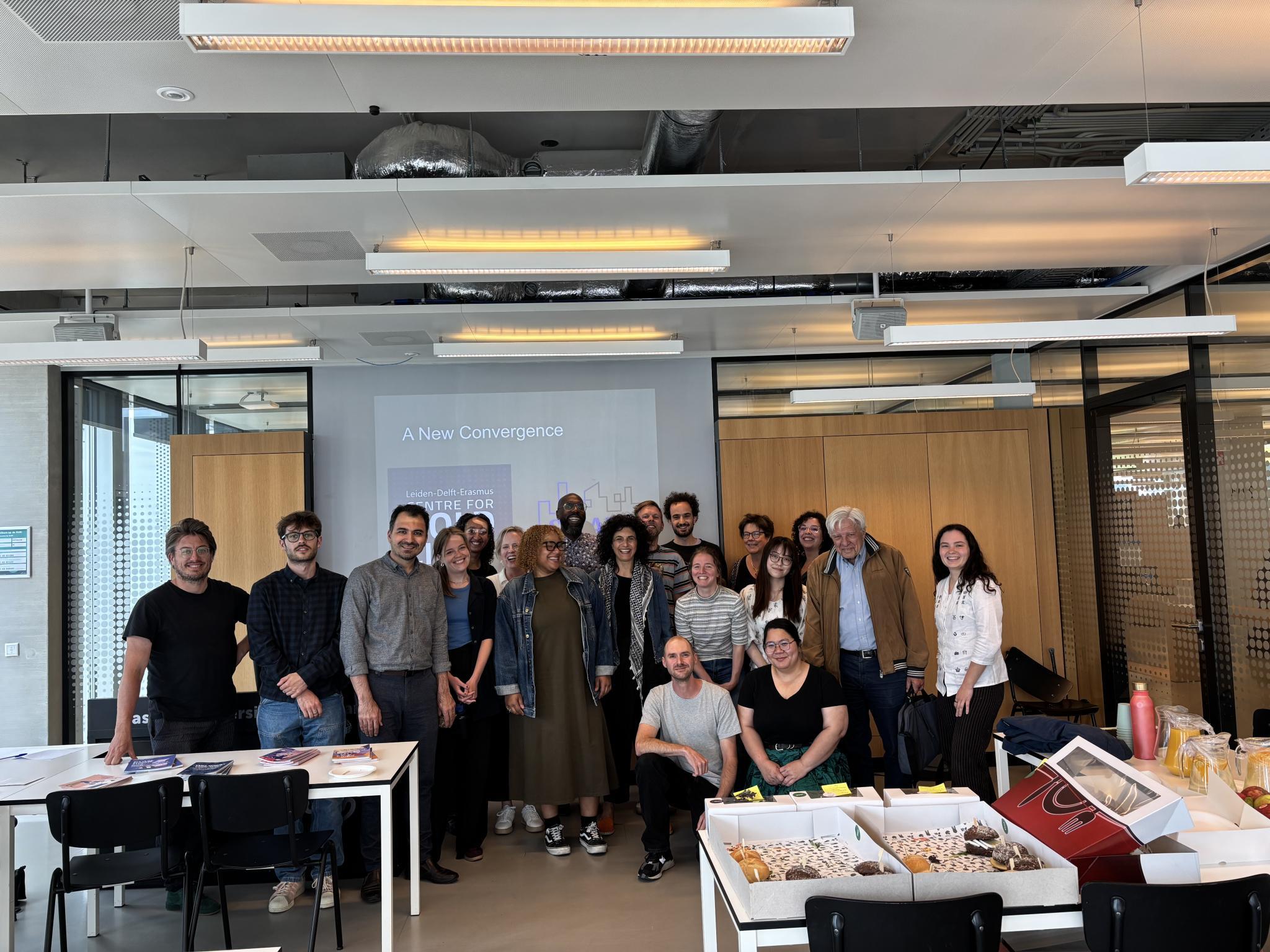
Over the past year, the Centre for BOLD Cities has continued to explore how data, urban life and public values intersect. 2025 was a year marked by new collaborations, pioneering research, and meaningful engagement with residents, policymakers and practitioners. We launched our New Team Science project Start Making Sense and a new season of the BOLDCast. We hosted a lunchtalk with visiting professor Davarian Baldwin, organized datawalks, produced journalistic articles and interviews with researchers and so much more! That is why on this page, we highlight the 9 milestones, discoveries and shared efforts that shaped our work. We highlight the milestones, discoveries and shared efforts that helped us better understand and further improve the datafied city in 2026.
1: The launch of Start Making Sense | The New Team Science Project
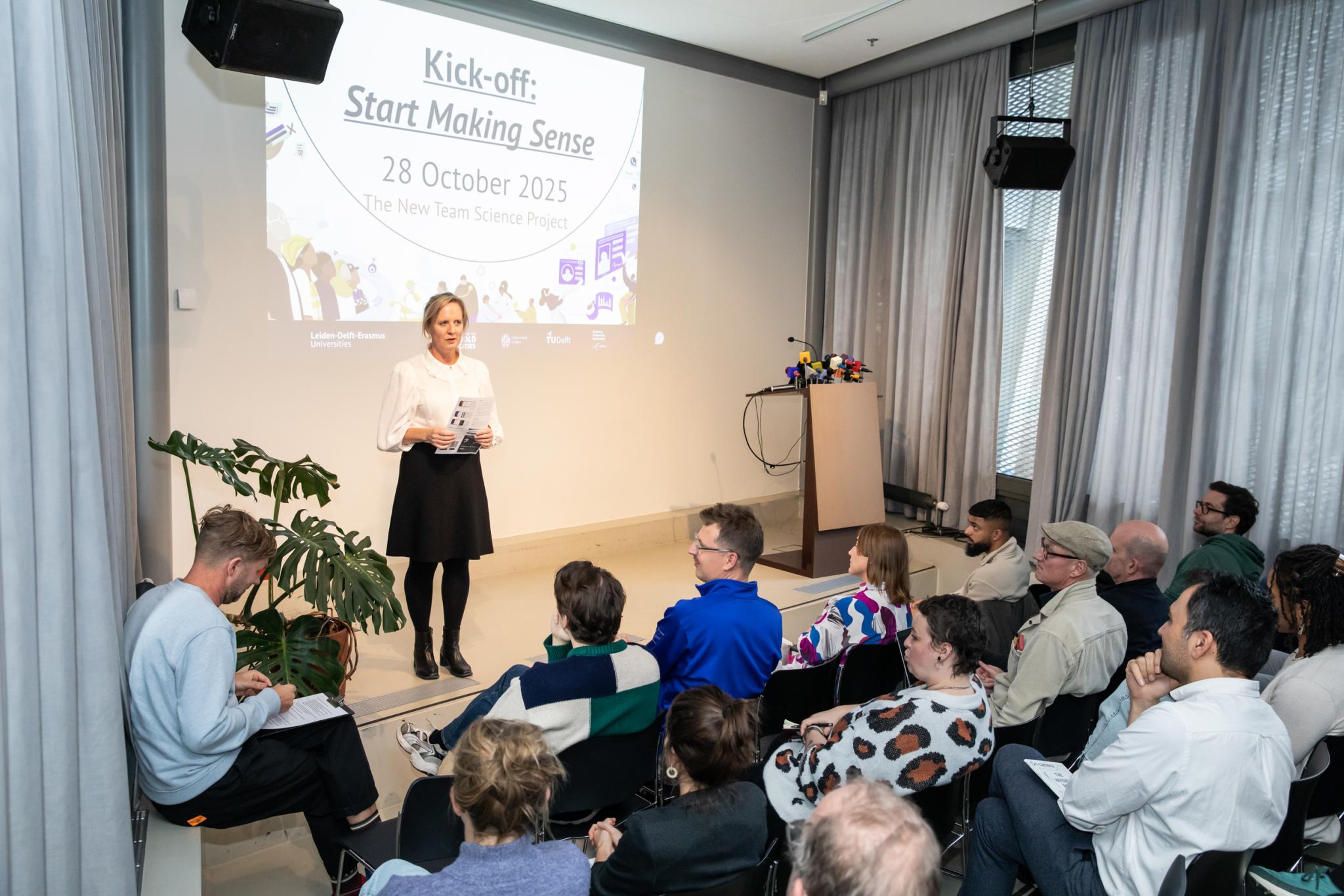
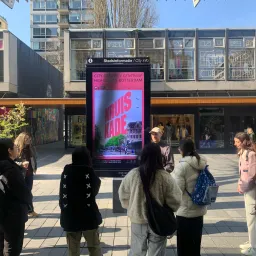
End of October, many perspectives on cameras were shared at Het Nieuwe Instituut. The occasion was the kick-off of Start Making Sense, the research project on cameras and the related data in Rotterdam. From artists to scientists, and from journalists to citizen consultants, all gathered to discuss this research project on cameras and related data in Rotterdam.
Arthur De Jaeger and Inge Janse together wrote an article, detailing 5 insights on Why Research on Cameras Is Crucial (both in Dutch and English).
2: The launch of Season 2 of the BOLDCast

What does the digitalisation of government and society mean? What dangers come with it? And how can we address them? Over the past few months, Inge Janse discussed these questions with eleven experts, ranging from politicians and researchers to citizens and tech specialists. The result can be heard in the BOLDcast, the podcast of the Centre for Bold Cities, produced in collaboration with Binnenlands Bestuur. During these conversations, I gathered eleven key insights , such as this one from Member of Parliament Barbara Kathmann (GL-PvdA): “We need a Minister of Digitalisation; otherwise people will continue to be crushed by the system.”
But there were so many more experts who shared their perspectives, ideas and possible solutions. Be sure to take a look at all the episodes!
This is a Dutch production.
3: Datawalks: walking the streets, tracing the data
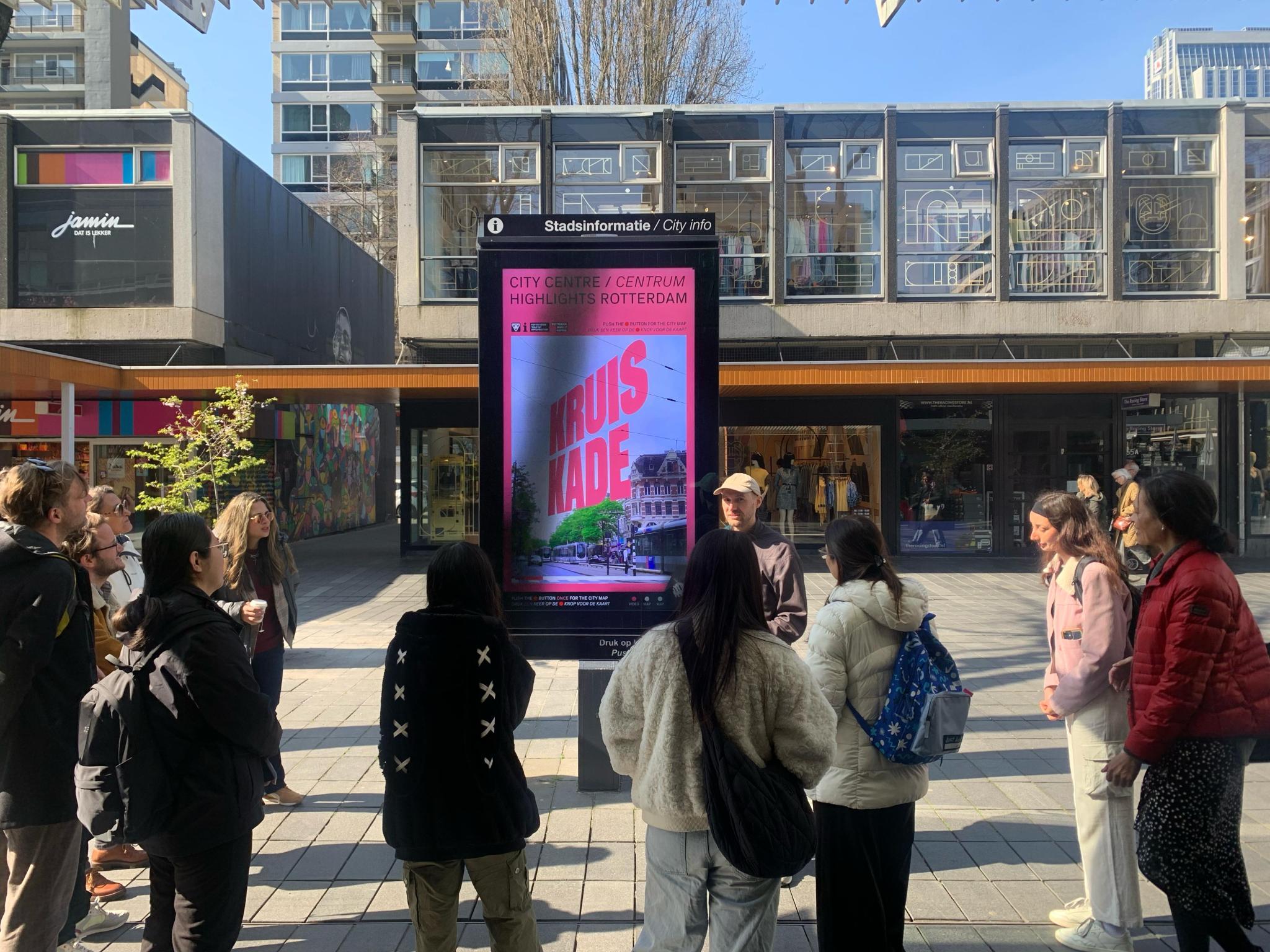
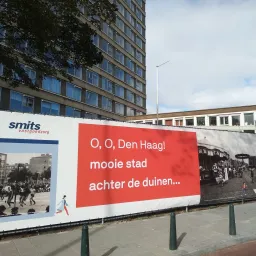
The Centre for BOLD Cities has organised datawalks in Dutch since its very first existence. 2025 was no exeption in that department. A datawalk is a guided route through the city in which small groups of city users and city makers set out together with a researcher from the Centre for BOLD Cities. During the walk, we together discover how data is present in the city—often invisibly—and discuss the role this data plays in our daily lives. Our approach is inspired by the data walkshops developed by Alison Powell (London School of Economics).
This year we walked the city of Rotterdam thoroughly! Early this year, we organised a datawalk in Rotterdam together with former BOLD colleague Vivien Butot (now Associate Lecturer in Social Media, Security & Justice at InHolland University of Applied Sciences). We hosted the walk for Erasmus University students from the Institute for Housing and Urban Development Studies, who are enrolled in the master’s programme on digital urban development and innovation.
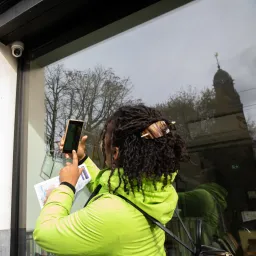
Last October, under supervision ofTom van Arman (Tapp) and Mike de Kreek (Amsterdam University of Applied Sciences), and enthusiastic group of people took part in a camera-spot tour. through the centre of Rotterdam. In less than an hour, they identified more than 200 cameras around the Museum Park. You can find the results on Tom van Arman’s website.
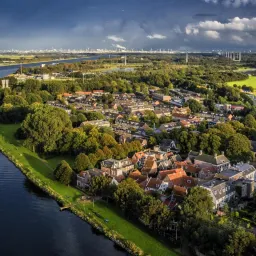
But we also went to Velsen! Arthur De Jaeger, researcher for the Centre for BOLD Cities and project coordinator, led a datawalk for the municipality of Velsen. During the walk, cameras, shared mobility services and scanners served as prompts for conversations among council members, civil servants and the alderman about the usefulness and necessity of the digitalisation of public space. In his reflection on the day, De Jaeger noted that every municipality needs to have its own unique discussion about technology.
4: Why we have to rehumanise the ‘smart’ in the smart city | A talk by professor Davarian Baldwin (Paul E. Raether Distinguished Professor of American Studies, Hartford, CT)
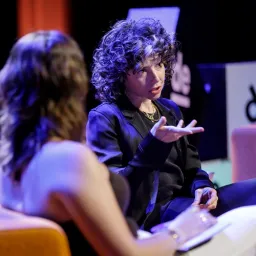
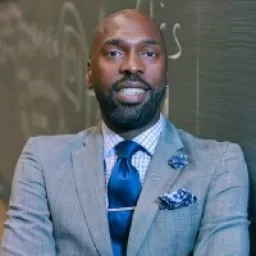
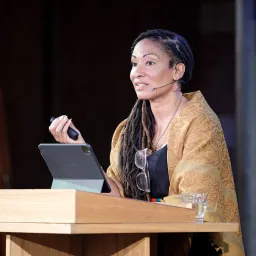
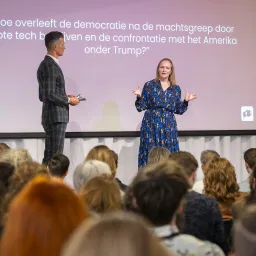
Whilst universities are seen as vehicles for innovation and progress, they are also perpetrators of social exclusion and urban inequality. This was the main message during the LunchTalk of professor Davarian Baldwin (Paul E. Raether Distinguished Professor of American Studies, Hartford, CT) hosted by the Leiden-Delft-Erasmus Centre for BOLD Cities. During an engaging and challenging talk, prof. Baldwin not only questioned dominant narratives and practices of universities but also offered solutions on how to create a city that is smart for everyone. In this article you can read about Baldwin's ideas and insights on why we have to rehumanise the smart city.
5: A workshop with think thank X-Post Society at a workconference hosted by the Dutch police force
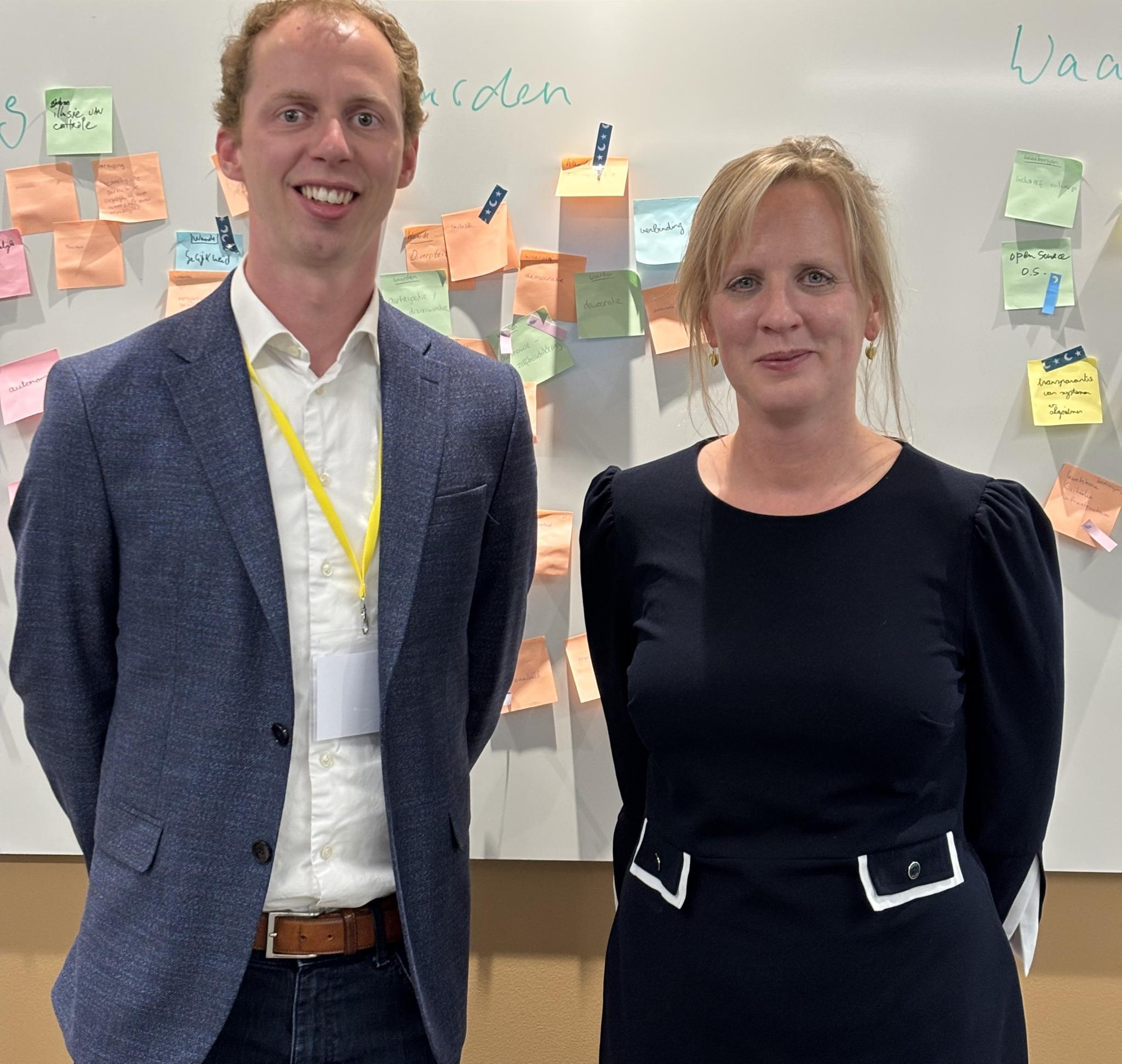
Filter bubbles, datafication of society, lack of access to policy making: digitalised ‘smart’ cities come with many threats. Therefore, think tank Post-X Society and the Centre for BOLD Cities teamed up with other experts to figure out which questions are essential to ask for any policymaker. The workshop took place last April in Utrecht during a work conference of the Dutch police force. It focused on the impact of virtualisation of the public domain on safety, autonomy and democracy. The workshop was lead by Jiska Engelbert (academic director for the Centre of BOLD Cities) and Pieter van Boheemen (director of Post-X Society). They encouraged a diverse range of experts from the field to critically re-evaluate the use of digital tools in the public domain. The result is a practical list of ‘smart’ questions each policymaker should ask themselves when facing new developments.
The result is a list of 10 concrete questions every policymaker in the smart city should ask themselves which you can access via this article.
6: Journalist Inge Janse on AI & Resistance during a Meet-Up of Future Society Lab
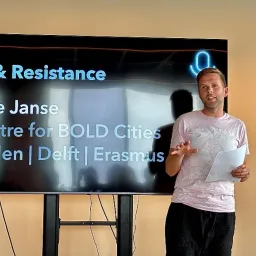
In the evolving discourse on AI, there is often a default assumption that we must ‘do something’ with AI. But is that really true? Inge Janse (investigative journalist for the Centre for BOLD Cities), argued for the contrary at a meet-up of Future Society Lab. During his talk, he presented five reasons on why we should resist AI, or at least, consider it. The result was a challenging plea to reimagine AI not as a goal but as a tool in service of humanity.
7: In the Spotlight | Inspiring conversations with pioneering researchers
The Centre for BOLD Cities conducts research on the use of urban technology with academics, city governments and civic society, brings these parties together, and stimulates debate on this topic. The Centre furthermore stimulates perspectives that do not treat the use of urban technologies as a given, but as the subject of democratic decision-making and contestation.
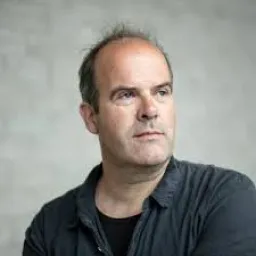
One route how we stimulate these perspectives is by our rubric In the Spotlight. We invite researchers who conduct challenging research and we introduce you to their perspectives and projects. This year we spoke to Dr. Francisca Grommé, Prof. Davarian Baldwin, Prof. Marc Schuilenberg.
8: Sharing Insights Through Journalism & Bringing Research to the Public Debate
The Centre for BOLD Cities not only promotes its own activities or successes. What happens in the world around us is simply too important for that. That is why our team is constantly searching for inspiring ideas from other researchers, thinkers, or organisations, and is committed to the production of journalistic articles detailing events.
This year, for example, investigative journalist Inge Janse wrote about Meredith Whittaker (Signal) and Ruha Benjamin, who both visited Rotterdam last June. He also wrote a piece in conversation with researchers, scholars Jay Lee, John Boy and Daniel Trottier who analysed Moerwijk, a supposedly problematic neighbourhood in The Hague. They found the importance of investing in both material and symbolic conditions of a neighbourhood. At the Smart & Social Fest, he observed how all speakers advocated for using technology in the service of society, and not the other way around.
Yet, ahead of the Dutch national election, we observed how all politicians wanted to do something with AI & technology. But nobody seemed to know what, how or why.
9. The Centre for BOLD Cities at Expeditie NEXT
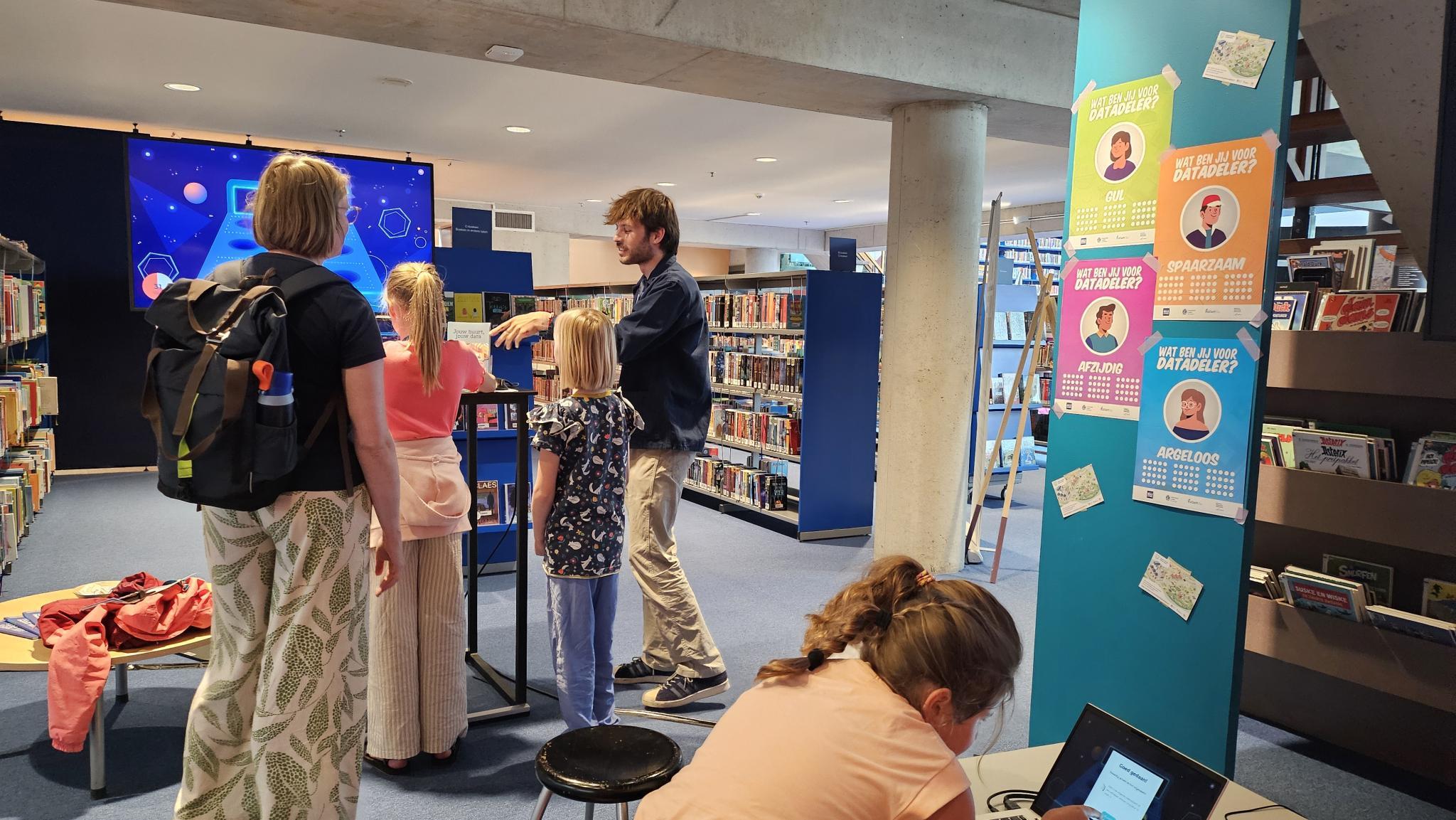
At Expeditie NEXT in Roermond, the Centre for BOLD Cities participated with our 'digital data walks' in the game ‘Jouw buurt, jouw data’. In the game, players go on a 'virtual data walk' in a fictional town. With a combination of questions and assignments in various parts of this town, players reveal what they know about smart technologies and data collection, while other parts of the game ask participants about their opinions. In doing so, players compose a 'privacy profile', which is shown to them at the end of the game and provides them with feedback on the 'data points’ they encountered along the way.
It was an exciting way to make the next generation enthusiastic about privacy and data sharing.